From Lot To Dream Home: What to Expect When Building a Custom Home in the Bay Area

by Maor Greenberg
Posted
March 31, 2026

From Lot To Dream Home: What to Expect When Building a Custom Home in the Bay Area
Building a home in the Bay Area is a pursuit of both passion and precision. Whether you are eyeing a lot in the foothills of Los Altos or planning a tear-down in a quiet Palo Alto neighborhood, the journey from a vacant plot to a finished masterpiece is complex. The region presents a unique set of variables, including some of the nation’s most stringent building codes, complex seismic requirements, and a competitive labor market.
To succeed, a homeowner must transition from a dreamer to a project lead, or better yet, partner with a team that manages the friction on their behalf. This guide breaks down the progression of a luxury build, offering a realistic roadmap for navigating the San Francisco Peninsula and South Bay construction landscape.
Phase 1: Land Feasibility and the "Hidden" Constraints
The first step is never the floor plan; it is the land. In Santa Clara and San Mateo Counties, "buildable" is a relative term. Before committing to a design, you must understand the constraints of your specific parcel.
Zoning and Setbacks
Local municipalities have strict rules regarding how much of your lot can be covered by a structure (Floor Area Ratio or FAR). A lot that looks large might have significant setbacks or easements that limit your footprint.
Utility Assessment
Older neighborhoods often have aging infrastructure. Building a modern luxury home typically requires upgrading electrical panels to handle EV chargers and high-end appliances. You may also need to navigate new requirements for all-electric builds, as many Bay Area cities have moved away from natural gas hookups.
Geotechnical and Topographical Surveys
Because we live in a high-seismic zone, a soil report is non-negotiable. Engineers must determine how the ground will behave during an earthquake to design a foundation that meets the California Building Standards Commission's requirements.
Phase 2: Design and 3D Visualization
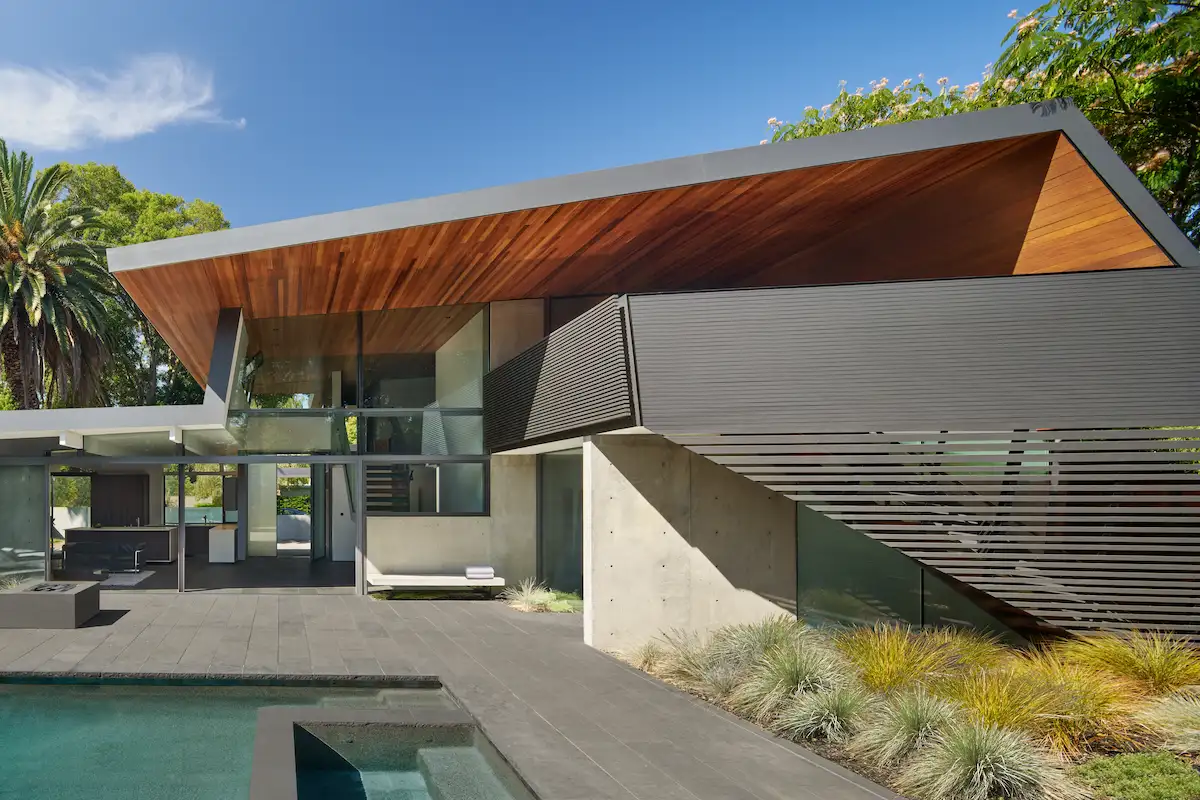
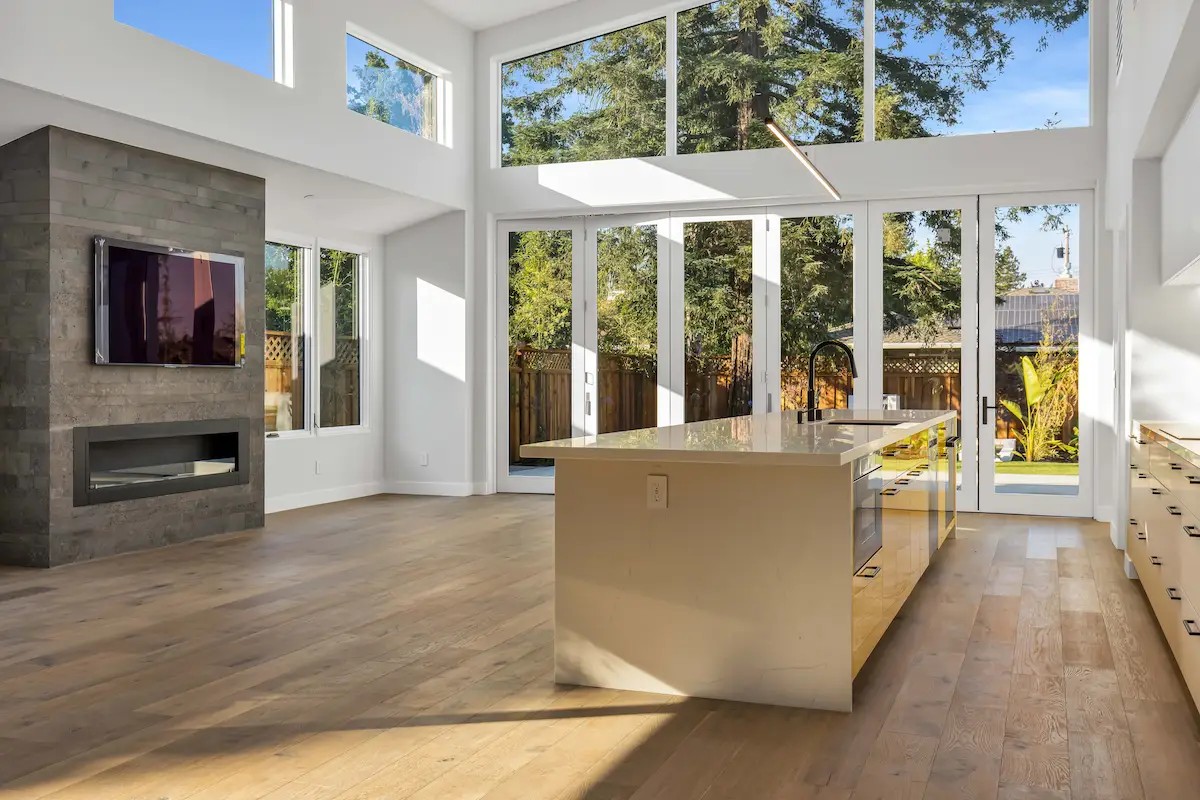
Once the land's potential is clear, the architectural phase begins. This is where your lifestyle takes a physical form. The modern trend in the Bay Area leans toward "warm modernism," which emphasizes natural light, indoor-outdoor flow, and sustainable materials.
Working with an integrated design-build team allows the architecture to be "value-engineered" from day one. Instead of designing a home that is impossible to build within your budget, the designers and builders work in the same room. You should expect to see 3D visualizations early in the process. These renderings allow you to "walk through" the home, adjusting the height of a kitchen island or the placement of a window before a single nail is driven.
Phase 3: The Budgeting Reality Check
In the Bay Area, costs are driven by three main factors: design complexity, material selection, and site conditions. While a "per square foot" number is a common starting point, it is often misleading because it rarely accounts for soft costs like architecture, city fees, and landscape design.
Major cost drivers include:
- Site Preparation: Retaining walls on sloped lots or complex pier-and-beam foundations.
- Finish Levels: Custom cabinetry, imported stone, and integrated smart home systems.
- Sustainability Features: Solar arrays, battery storage (like Tesla Powerwalls), and high-performance HVAC systems.
A transparent builder will provide a detailed budget during the design phase, not after. This prevents the "budget shock" that often occurs when a standalone architect hands off plans to a third-party contractor.
Phase 4: The Permitting "Gauntlet"
Permitting is often the most frustrating phase for homeowners. In cities like Menlo Park or Campbell, the review process can involve multiple departments, including planning, building, fire, and public works.
Expect a "correction" process. The city will review the plans, send back comments, and require adjustments. This back-and-forth is standard. One way to bypass some of this local friction is through factory-engineered systems. For example, Neovi structures are often approved at the state level, which can significantly reduce the time spent in local structural review, leaving only the site-specific utilities and foundations for local approval.
Phase 5: Pre-Construction and Mobilization
Before the first excavator arrives, the "paperwork" must be flawless. This phase involves:
- Finalizing the construction schedule.
- Ordering "long-lead" items (such as windows and appliances) can currently take 6 months or more to arrive.
- Securing the site with fencing and erosion control.
A dedicated project manager is essential here. They act as your single point of contact, ensuring that when the permits are issued, the crews are ready to move immediately.
Phase 6: The Construction Journey
Traditional construction follows a linear path: foundation, framing, roofing, "rough-ins" (plumbing and electrical), insulation, and finish work.
The Foundation and Seismic Safety
Given our proximity to major fault lines, foundations in the Bay Area are robust. Many modern builds use helical pier systems or thickened slabs to ensure stability, guided by U.S. Geological Survey (USGS) seismic hazard data.
The "Envelope" and Finishes
Once the home is "dried in" (roof and windows are on), the focus shifts to the interior. This is the longest phase of the build. It requires meticulous coordination between flooring installers, painters, and finish carpenters.
Phase 7: Inspections and Move-In
As the project nears completion, the city will conduct a final inspection to issue a Certificate of Occupancy. This confirms the home is safe and built to code. Before you move in, you will conduct a "punch list" walk-through with your builder to identify any minor touch-ups needed.
Phase 8: Post-Move-In and Warranty
A custom home is a living machine. Over the first year, the house will "settle," and you may notice minor cracks in drywall or doors that need slight adjustments. A professional builder provides a clear warranty period to address these issues, ensuring the home performs as intended through every season.
What Greenberg Construction Brings to the Table
Navigating the complexities mentioned above requires more than just a contractor; it requires a partner. Greenberg Construction has refined the design-build model specifically for the Bay Area market. By keeping architecture, interior design, and construction under one roof, we eliminate the "fragmented vendor" problem that leads to delays and budget overruns.
Our Palo Alto Design Gallery serves as a central hub where clients can touch and feel materials, making selections in hours rather than weeks. Furthermore, our precision-built homes allow us to offer a "fast-build" luxury option, delivering high-performance homes in 12 to 14 months, whereas traditional methods often take 2 to 3 years.
Bay Area Building Timeline & Cost Factors
Phase
Traditional Timeline
Greenberg/Neovi Timeline
Design & Feasibility
3 to 6 Months
2 to 4 Months
Permitting
6 to 12 Months
4 to 8 Months
Construction
18 to 24 Months
6 to 9 Months
Total
2.5 to 3.5 Years
12 to 14 Months
Cost Range Note: While custom builds vary, expect luxury ground-up projects in the Bay Area to range significantly based on finish levels. Factors like "smart" glass, custom millwork, and complex site topography are the primary drivers of the final investment.
Common Surprises and How to Avoid Them
- The "Utility Upgrade" Fee: Many owners are surprised by the cost of bringing new power or water lines from the street. Solution: Perform a utility audit during Phase 1.
- Long-Lead Delays: Waiting for a specific Italian marble or German-engineered window can stall a project for months. Solution: Make selections early at the Design Gallery and order before breaking ground.
- The "Change Order" Trap: Changing your mind mid-construction is the fastest way to blow a budget. Solution: Use 3D visualization to finalize every detail before construction begins.
Custom Home Building Checklist
- [ ] Soil Report & Survey: Confirm what is happening beneath the surface.
- [ ] Budget Alignment: Ensure "soft costs" (fees/permits) are included in your total.
- [ ] Design Approval: Finalize 3D renderings and floor plans.
- [ ] Material Selections: Choose all finishes, from flooring to faucets.
- [ ] Permit Submission: Navigate the local city planning department.
- [ ] Pre-Con Meeting: Meet your dedicated project manager.
- [ ] Construction Phase: Weekly updates and site visits.
- [ ] Final Walkthrough: Complete the punch list.
- [ ] Move-in: Receive your keys and Certificate of Occupancy.
Frequently Asked Questions
How long does it actually take to build in Palo Alto?
Typically, a traditional custom build takes 24 to 36 months from the first meeting to move-in. However, using integrated design-build and factory-engineered systems can reduce this to 12 to 14 months.
Is it cheaper to remodel or build from the ground up?
Not always. In many cases, a "whole-home remodel" in the Bay Area uncovers aging infrastructure that must be replaced to meet current codes, making a ground-up build more cost-effective and predictable.
Do I need an independent architect?
You can use one, but the design-build model is often more efficient. Having the architect and builder on the same team ensures the design remains within your target budget.
What are the new "All-Electric" rules?
Many Bay Area cities, including San Jose and Palo Alto, have passed ordinances encouraging or requiring new constructions to be all-electric to meet climate goals.
Can I build an ADU at the same time?
Yes. Building an Accessory Dwelling Unit (ADU) alongside your main home is highly efficient for permitting and staging, often adding significant immediate value to the property.
Author Note
This guide was developed by the strategy team at Greenberg Construction, a premier custom home builder serving Santa Clara and San Mateo Counties. With over 150 combined reviews across Houzz, Google, and Yelp, we pride ourselves on transparency, design-led execution, and our unique ability to accelerate the building process through modern technology and in-house expertise.
Ready to start your journey?
The best way to demystify the process is to see the possibilities in person. Visit the Palo Alto Design Gallery or schedule a design conversation with our team today to discuss your vision for a modern Bay Area home.
Sources
- California Building Standards Commission: https://www.dgs.ca.gov/BSC
- U.S. Geological Survey (USGS) Seismic Hazard Model: https://www.usgs.gov/programs/earthquake-hazards/science/introduction-national-seismic-hazard-model
- City of Palo Alto Development Services: https://www.cityofpaloalto.org/Departments/Development-Services
Maor
Greenberg

Fall Home Preparation: Your Bay Area Checklist for 2025
Discover more insights for your dream home
Explore our inspiring projects and stunning transformations