

Kitchen and Bathroom Remodeling Guide
The secret to high-value remodeling is balance. Learn how to allocate your budget effectively between high-quality, long-lasting materials and cost-effective aesthetic choices for maximum ROI.
Maor Greenberg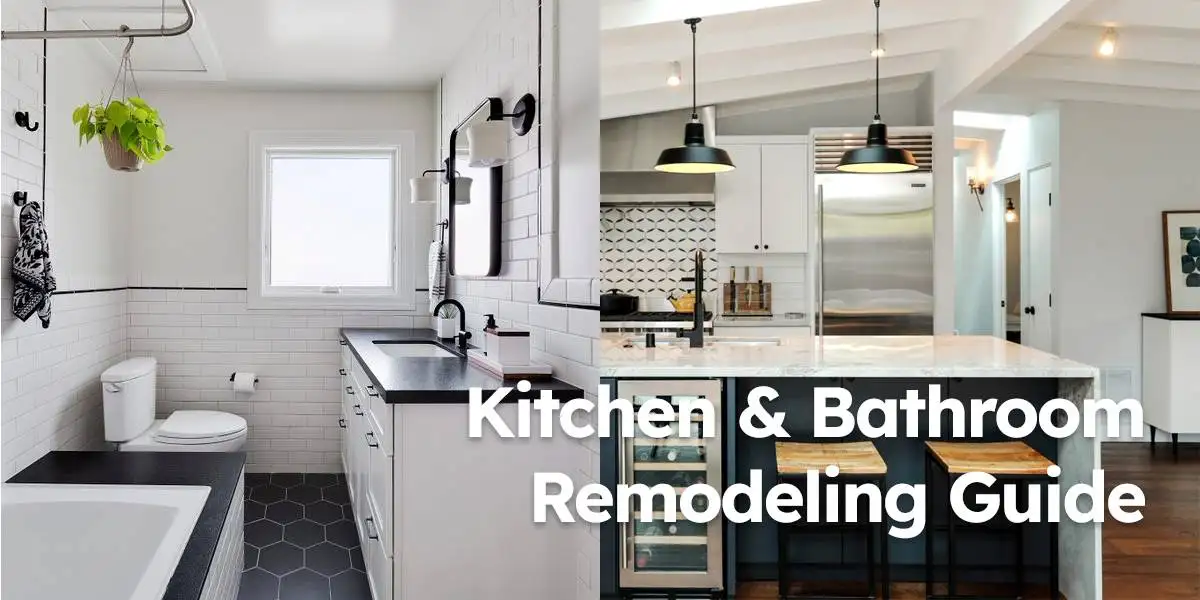
Your home is your sanctuary, and when its design reflects your personal style, it brings genuine peace and satisfaction. Every corner, especially the high-traffic areas like the kitchen and bathroom, should seamlessly complement the rest of your home. Whether you choose to tackle the renovation yourself or hire an interior designer, understanding the current market standards and modern technologies is crucial for a successful project.
This comprehensive guide will help you familiarize yourself with the entire process, ensuring you make the best decisions for your kitchen and bathroom. With proper planning, you’ll be excited to see the final design come together.
Phase 1: Vision, Planning, and Budget
The first step in any remodel is planning the entire scope of work. Planning involves determining exactly what you want to achieve, establishing a firm financial groundwork, and ensuring the final design meets the functional needs of everyone in the home.
Defining Your Vision and Theme
Before moving forward, you must define the aesthetic you want to achieve. This step is about self-awareness—understanding the theme, aura, and functional needs of the rooms.
- Research: Look into contemporary design trends. Research the types of wallpaper, fixtures, cabinets, and finishes you like. Knowing these details ahead of time will make your consultations with designers or contractors far more productive.
- Cohesion: Ensure the chosen themes for your kitchen and bathroom enhance the overall beauty of your home and complement adjacent rooms.
Setting a Realistic Budget
Budgeting gives you an estimated expenditure for the entire remodeling process. Since kitchen and bathroom remodels often require significant investment, careful financial planning is essential.
- Initial Estimates: Based on your chosen theme and research, create a rough budget. Note that this is an initial estimate; the final design layout will provide the exact costs.
- Contingency Fund: Always set aside funds for extra costs, unexpected expenses, or unknown damage that might surface during the remodeling. A 10–20% buffer is highly recommended to manage delays or last-minute changes.
- Recycling and DIY: Look for opportunities to save money. If existing cabinets or fixtures are in good condition, they may be repurposed or upcycled. Budget for DIY projects—even small tasks can cut 10–20% off labor costs.
Phase 2: Designing the Rooms and Selecting Fixtures
Selecting the right design and fixtures is often the most enjoyable part of the renovation. Focus on functionality, durability, and aesthetics equally.
Kitchen: Focus Areas
As the heart of the home, the kitchen requires high-quality, long-lasting fixtures and appliances. Storage is key, so remodeling should maximize available space.
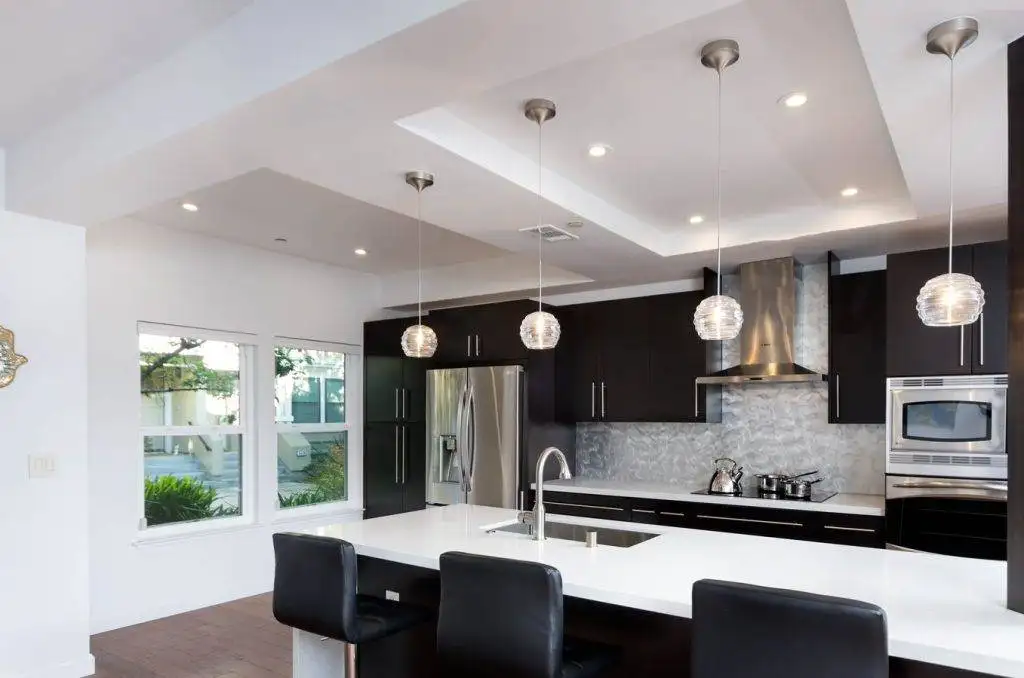
Cooktops
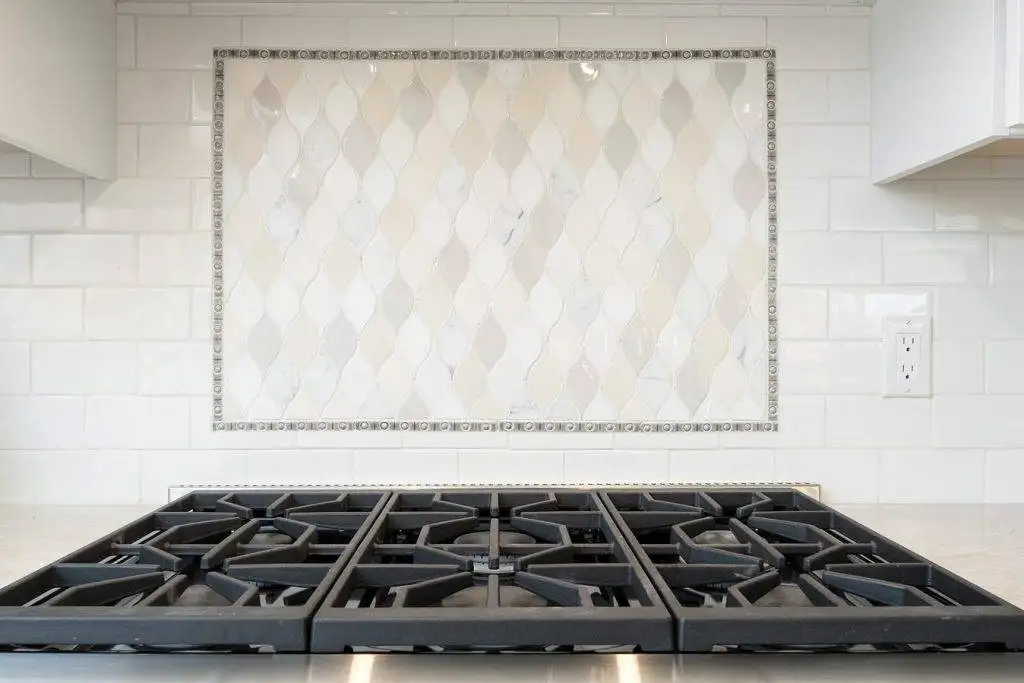
Choose between gas, electric, or induction based on space and cooking style. Consider material (metal, glass, or ceramic) and the quantity of burners needed for your usage. Don't forget proper task lighting above the cooktop.
Range Hoods
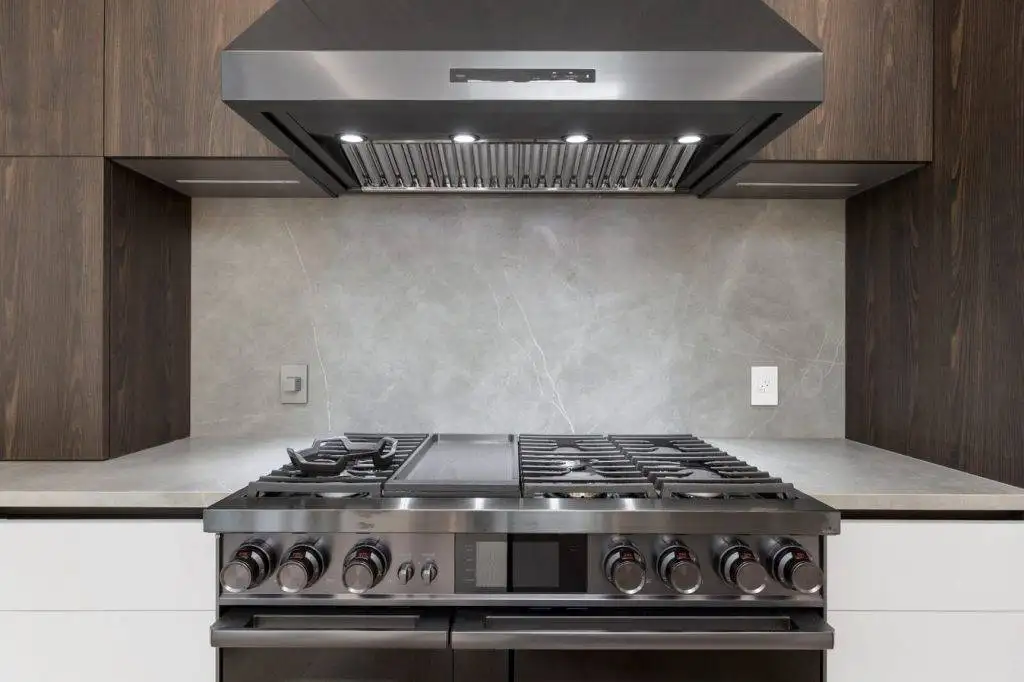
In modern, open-concept homes, ventilation is critical. Look for quality hoods with exterior motors to minimize suction noise. Ensure the hood is appropriately sized for your cooktop.
Sink
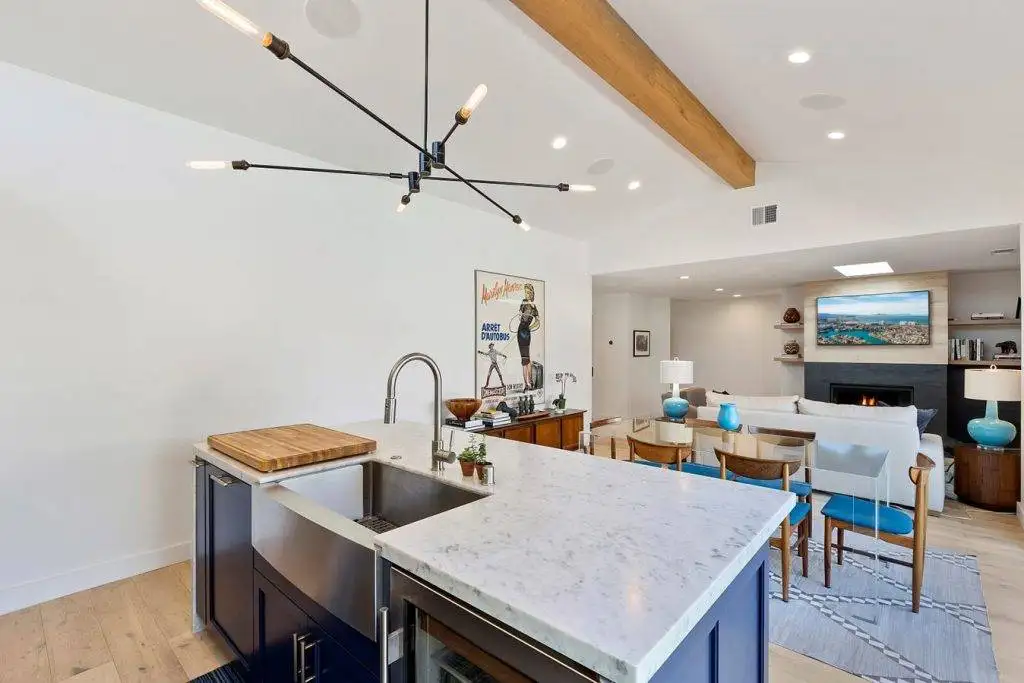
The kitchen sink should be spacious, offer excellent water flow, and be made from rust-free materials like stainless steel. Look for seamless designs, or models that integrate features like cutting board space.
Cabinets
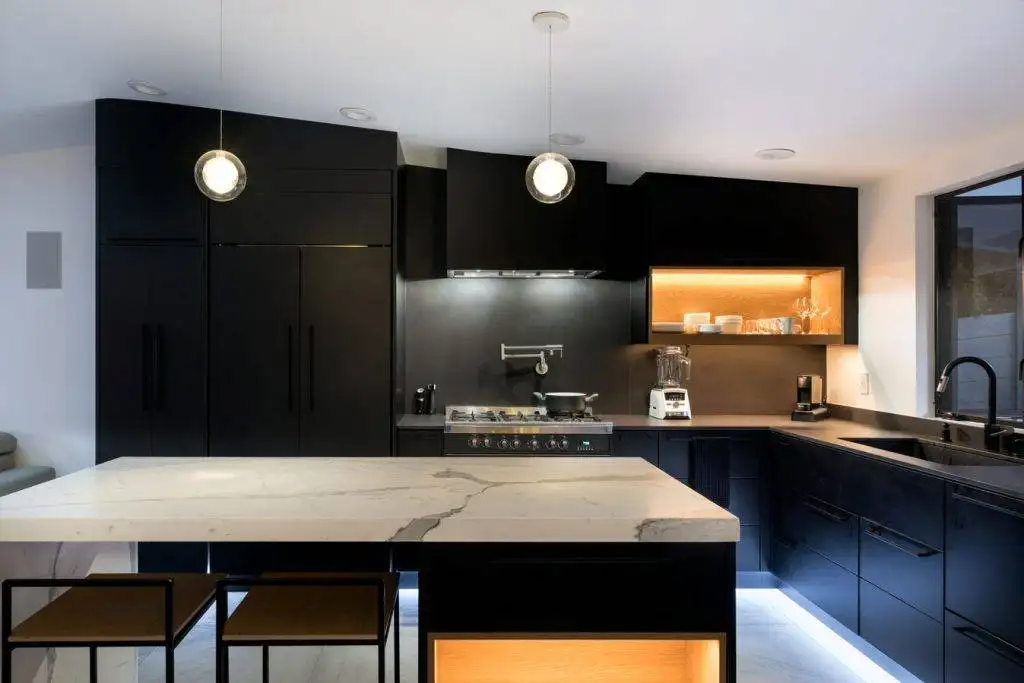
Move beyond modular kitchen designs toward contemporary materials and layouts that provide easier access to shelves. Cabinets provide crucial extra storage. Consider adding modern touches like LED lighting inside cabinets.
Bathroom: Key Fixtures
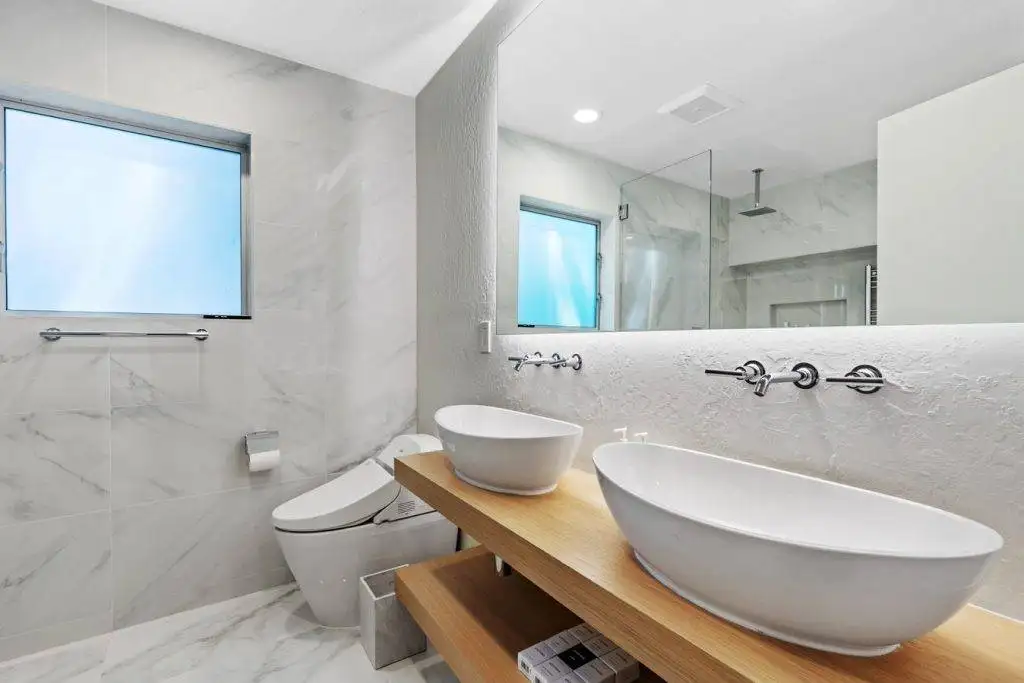
To ensure maximum functionality in your bathroom, pay close attention to the details of these fixtures:
Sink
The sink often serves as the focal point. Choose a model that is deep and has proper drainage. Options range from the classic pedestal style to modern vessel sinks made of vitreous material or glass (which are sometimes mounted on cast iron). Ensure the sink is well-lit, either by wall-mounted sconces or a ceiling fixture.

Sink Faucet
Decide between single-handle or double-handle operation, and whether you require a temperature control faucet. Faucets come in various finishes (bronze, ceramic, metal). Modern versions may feature integrated ceramic disks to help prevent mineral build-up. All selections must align with existing plumbing requirements.
Shower Fixtures
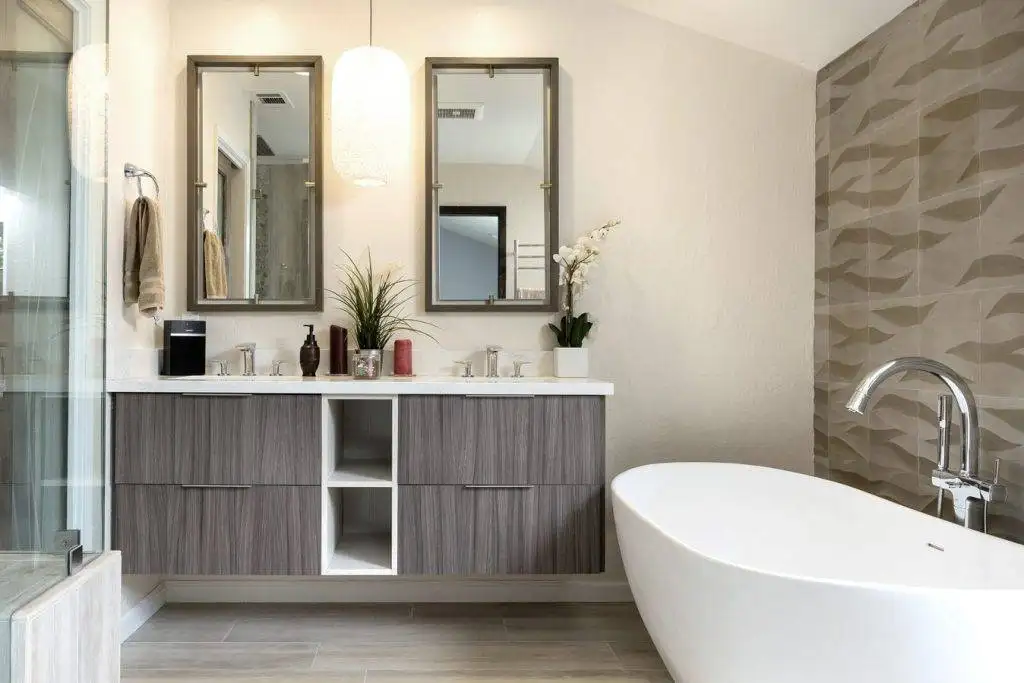
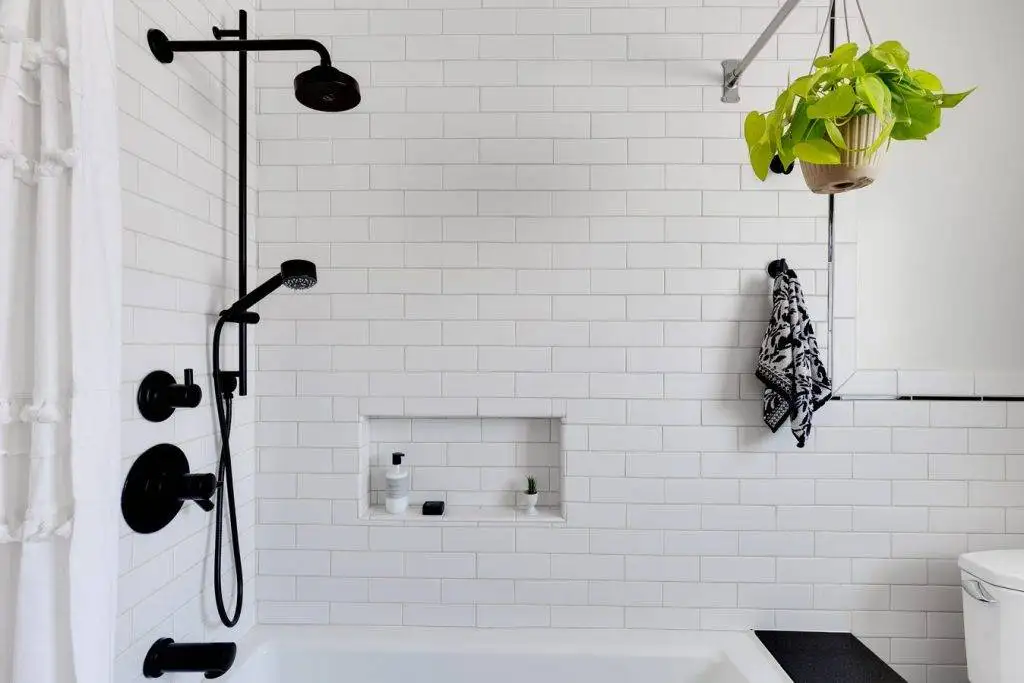
Showering is an important part of relaxing after a long day, so choose your unit wisely. Options range from basic wall-mount units to luxury features like hand-held units, body sprays, or rain shower heads. Prioritize comfort and the available space.
Phase 3: Surfaces and Finish
The surfaces—flooring and walls—dictate the longevity and overall aesthetic feel of the room.
Flooring Selection
Because the kitchen and bathroom are high-traffic, moisture-prone areas, durability and low maintenance are crucial.
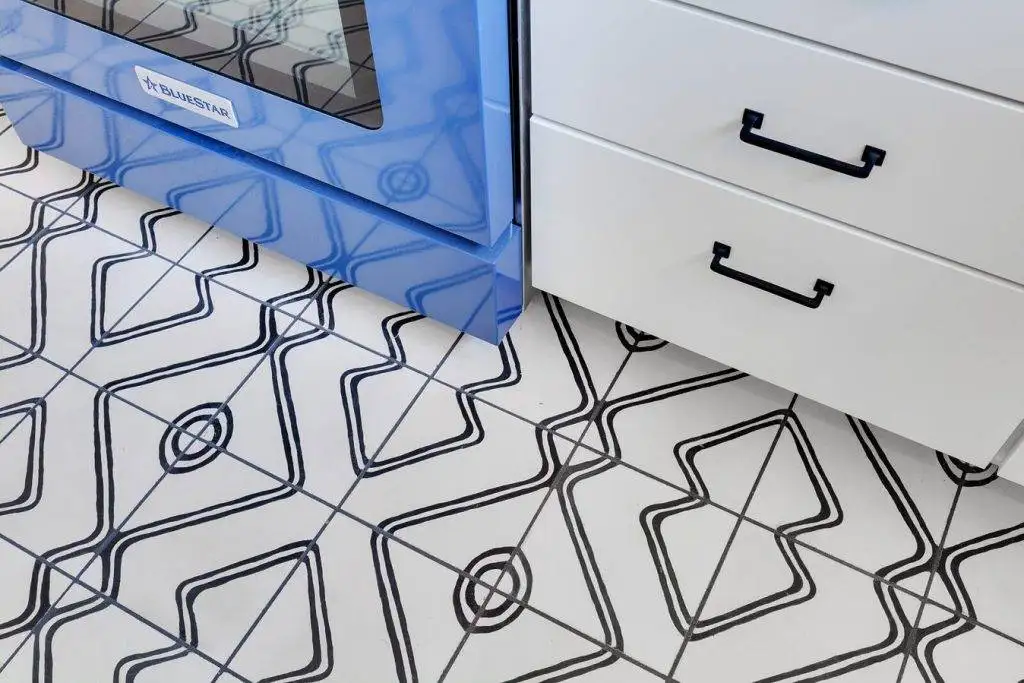
Porcelain Tile: Highly recommended for its resistance to scratches, dents (from dropped utensils), and moisture. Porcelain can mimic the look of wooden flooring and is available in various sizes and shapes. It dries easily and is generally low-maintenance.
Vinyl Flooring: A more affordable and easy-to-install option that can often be handled without external professional help.
Wall Treatments and Paint
The walls should be durable, easy to clean, and contribute to the room's mood.
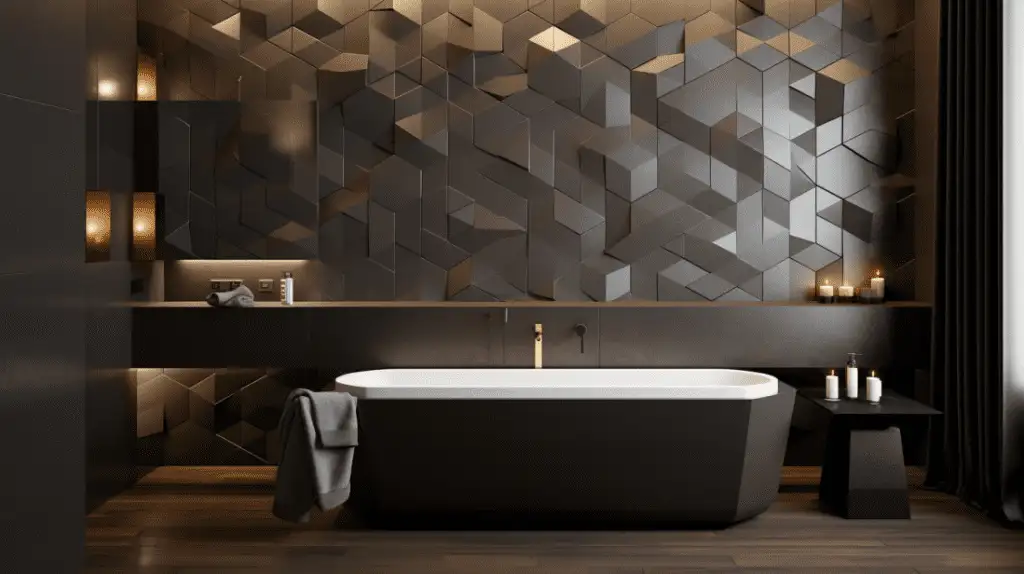
Vinyl Silk Paints: For a glossy, silky finish in the kitchen and bathroom, these paints offer excellent longevity and resistance to dirt and stains. Stains can typically be wiped clean. The glossy finish helps reflect light, giving a subtle sense of expansion to smaller rooms.
Backsplash: A backsplash adds texture and design to the wall, instantly providing a thematic vibe to the room. It also serves a practical purpose by protecting the walls from moisture and splashes.
Phase 4: Execution and Installation
Execution requires detailed planning and a phased approach to construction.
Selecting Your Designer or Contractor
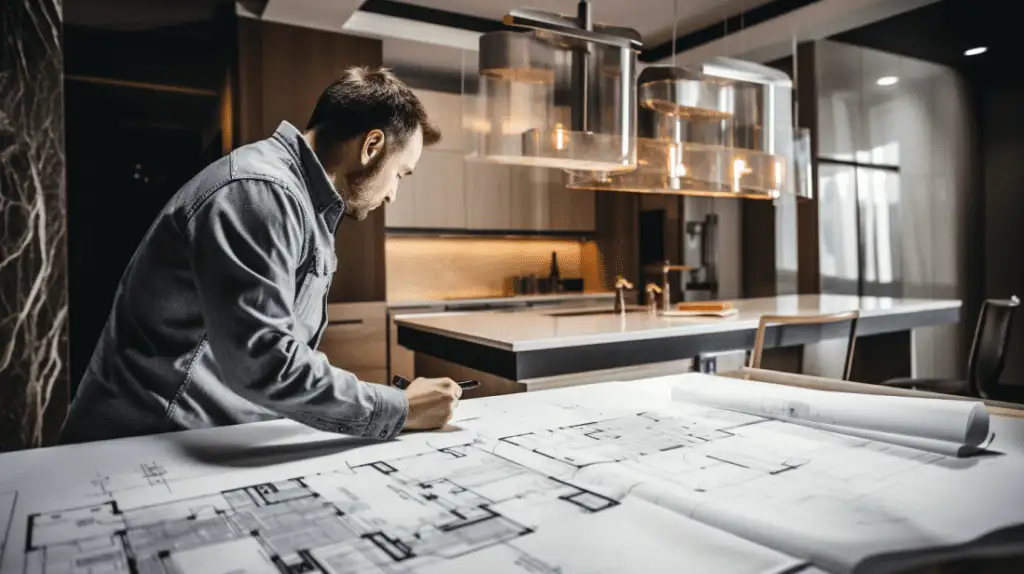
The best professional is one who not only provides a competitive cost quotation but also truly understands your needs and aesthetic vision.
- Communication: A good designer will be able to translate your ideas into a functional, detailed plan.
- Quotation: Ensure their costs align with your pre-set budget.
- Local Professionals: Contacting reputable professionals in your close proximity can often lead to better trust and easier negotiation of terms and conditions.
The Remodeling Timeline
Execution is a multi-step procedure that requires careful coordination.
Preparation
Before construction begins, finalize which items will be recycled and upcycled. Pay special attention to marking off existing plumbing and electrical supplies. Have all DIY materials ready and remove anything that could interfere with the work area, keeping only temporary necessities aside.
Dismantling (Demolition)
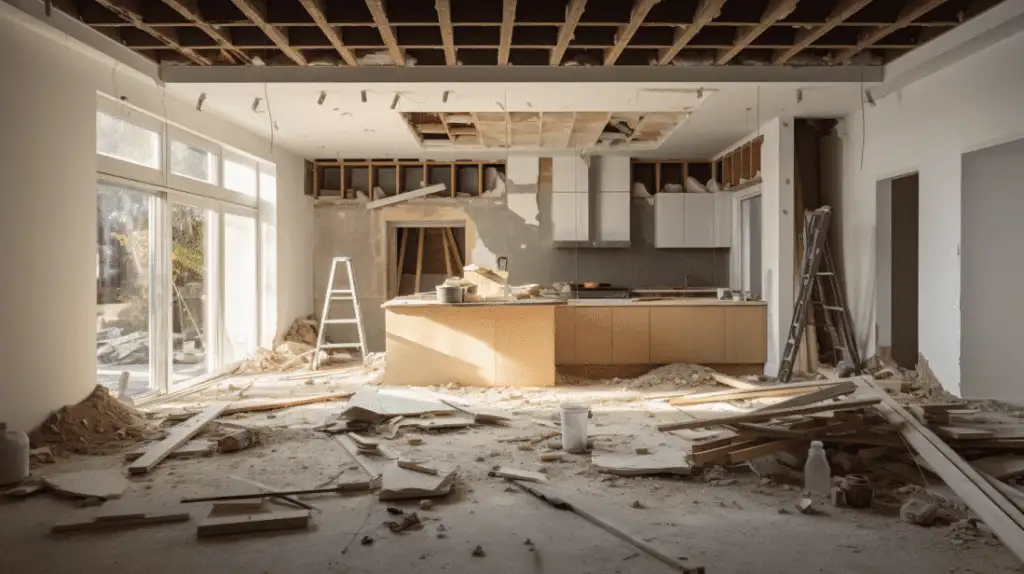
The first physical step is the demolition or dismantling of major fixtures, cabinets, and flooring. Structural elements are removed to prepare the space.
Construction and Set-Up
- Begin by fixing any structural damages.
- Install new major fixtures (plumbing/electrical rough-in) as they can cause damage to walls or floors if done later.
- Install walls and flooring, followed by painting.
- Set up all major appliances and test all plumbing and electrical work. This stage will take the majority of the time.
- Finishing: The final phase involves setting up decorative elements like frames, posters, or showpieces. This is the stage where you'll notice small details that need last-minute fixes or adjustments. Complete your finishing touches gradually to ensure no detail is overlooked.
Conclusion
Remodeling your kitchen and bathroom is a complex process, but the results—a beautiful, highly functional home—are worth the effort. The key to success is balancing your budget with the longevity of your materials. It's smart to allocate more of your funds toward high-quality appliances and fixtures, as these are used multiple times every day. Aesthetics can often be achieved cost-effectively using DIY projects and simple, impactful wall and floor choices. Choose a theme that truly suits your family's personality and enjoy the transformation!