

How Does Daylight in Your Home Affect Sleep?
Bright days, dark nights. How to bring daylight into a 1950s home and keep bedrooms restful.
Maor Greenberg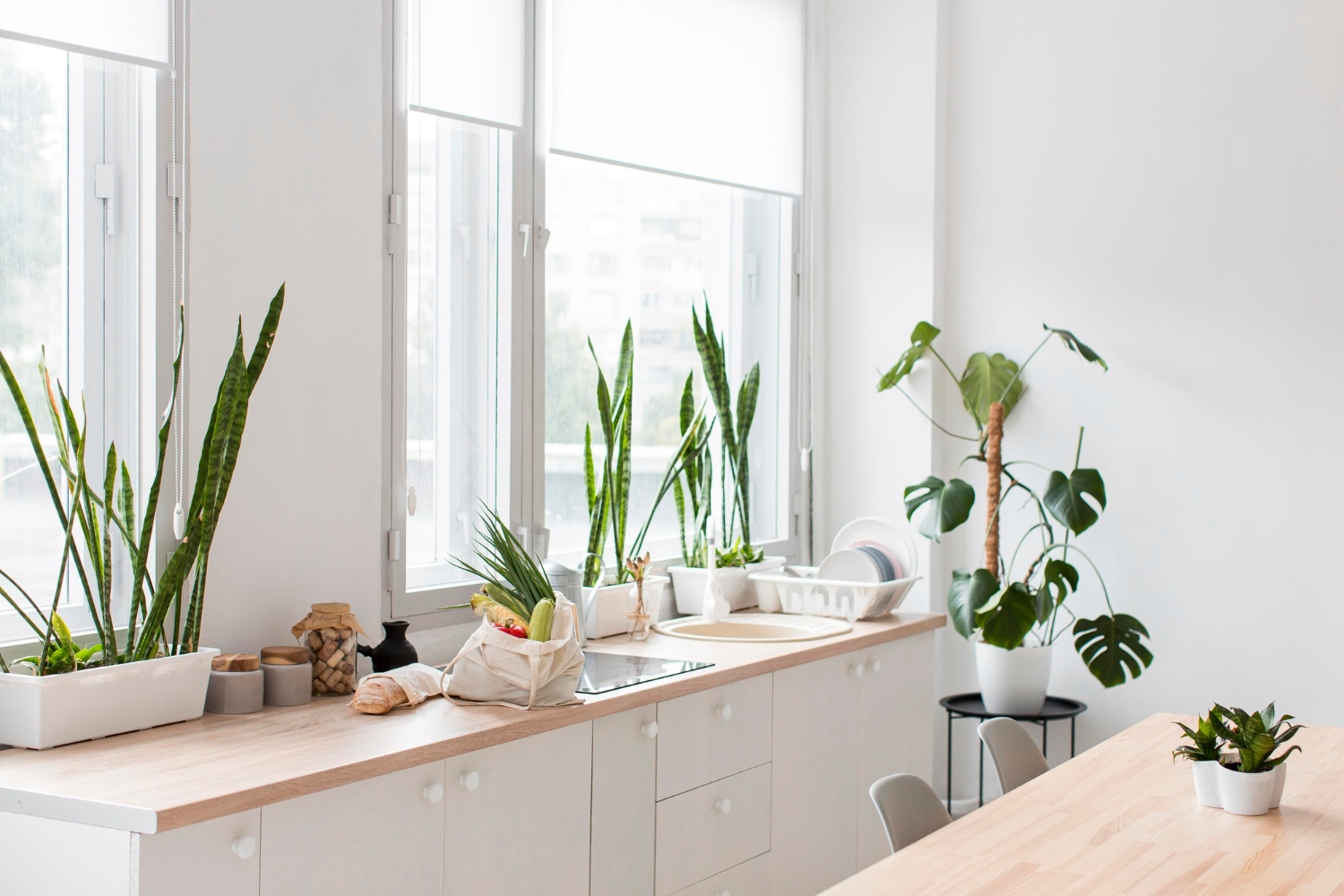
Light is the main signal that sets your body’s internal 24-hour clock, and that clock shapes when you feel alert and when you feel sleepy. A home that lets in plenty of daylight during the day, and stays dim and calm at night, works with that clock instead of against it.
The National Institutes of Health explains that light and dark have the biggest influence on circadian rhythms, and that in the evening the brain makes more melatonin, which causes sleepiness. It also notes that light from electronic devices at night can confuse biological clocks.
Why many 1950s homes feel dark
Mid-century Peninsula homes were often built with small windows, deep overhangs, low ceilings and closed-off rooms. Kitchens and hallways at the center of the house can get almost no direct daylight. Many families compensate by keeping lights on all day, which is not the same as daylight.
Ways to bring daylight in during a remodel or rebuild
- Larger and taller windows on the sides of the house that get the most light, with high-performance glass to keep rooms comfortable.
- Skylights and light tubes in kitchens, hallways and bathrooms that have no outside wall.
- Open sightlines, so light from one room reaches the next.
- Higher ceilings or clerestory windows that pull light deeper into the house.
- Light-colored, low-gloss finishes that spread daylight without glare.
- Smart window shades that let in morning light and block it at night.
Don’t forget the night side
Good daylight design has two halves. Bedrooms should get dark at night, so plan for blackout shades, avoid bright light pouring in from the street, and choose warm, dimmable evening lighting. Many homes now use lighting that shifts from cool, bright light by day to warm, dim light in the evening.
Daylight and the rest of the house
More glass only works well with a high-performance envelope. Without it, big windows can make rooms too hot in summer and cold in winter. That’s why Greenberg plans lighting and glazing together with the envelope, around how daylight moves through each house. Related: What a high-performance envelope is.
FAQ
Does natural light really affect sleep?
According to the NIH, light is the main cue for the body’s circadian rhythms, which influence the sleep-wake cycle. Bright days and dark nights support that rhythm.
Will skylights make my house hot?
Modern, well-placed skylights with high-performance glass, and shades where needed, keep heat gain under control.
Can I add daylight without a full remodel?
Skylights, light tubes and larger window openings can be added on their own, though structure and permits often apply.
What about bedrooms?
Aim for daylight in the morning and darkness at night: blackout shades and warm, dimmable lights.
Want a brighter home by day and a darker one by night? Start the conversation
Part 7 of 7 in Healthy by Design, our Wellness series in the Journal. Next: Mold Behind Drywall in Older Homes: What to Look For and What to Do. See how Greenberg builds for wellness.
Sources: NIH National Institute of General Medical Sciences, Circadian Rhythms